
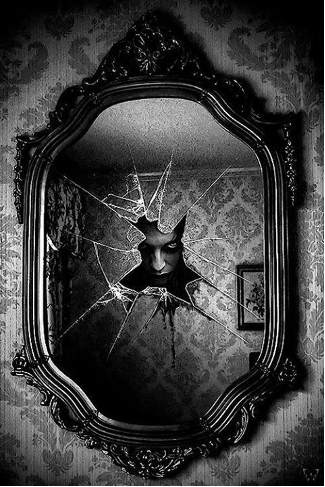
Characters need to resonate with readers. Whether it’s your protagonist (hero) or antagonist (villain), as a writer, you want your readers to connect with your characters. They won’t read stories if they don’t care what happens to your characters.
Because I write in the suspense/thriller and horror genres, I want my villains and say and do things that not only scare and intimidate my other characters, but also create those feelings inside my readers.
I especially enjoy stories where the hero has fears or flaws that make fighting the villain that much more difficult – things that readers can relate to and that makes them feel scared right along with the protagonist.
So, why not start with what scares me.
1. The dark (especially in unfamiliar places)
2. The woods (especially at night)
3. Enclosed spaces (definitely claustrophobic)
4. Heights
5. Spiders (the bigger the scarier)
6. Driving in the rain in the dark
7. Choking (especially if I’m alone)
8. Big old houses miles from the nearest neighbor
9. Noises in the house that I can’t explain
10. Drowning
Now I wouldn’t recommend giving all of these to one character. But what about being alone in the dark in a big old isolated house and hearing strange noises? Would that character be brave enough to explore to find out the source of the noise or would they leave?
Or what if the character was driving in the rain in the dark on a twisty mountain road without guardrails while being followed closely by an unknown vehicle? Would they risk speeding up to get away while possibly not being able to navigate the terrain? Imagine a villain who was afraid of the dark? How could that contribute to how he stalked his victims or when and where he needed to go? Or what about a villain with a fear of drowning?
And he finds himself on a ship. What if that person fell into a lake at night? What if he couldn’t swim?
You can see the correlation between what a character fears and how it might impact what they do.
Imperfections and fears make characters much more relatable. Even the most unlikable villains often have something in their past that makes us more willing to try to understand why they do what they do.
Think about some of these famous literary villains and their fears:
Jack (The Shining by Stephen King) fears losing control and his impending madness.
Hannibal Lecter (The Silence of the Lambs by Thomas Harris) fears the trauma associated with his sister’s death.
Nurse Rached (One Flew Over the Cuckoo’s Nest by Ken Kesey) fears losing control over the patients.
Here are three protagonists from books I’ve read recently who also have fears:
Cassie (The Ex by Freida McFadden) fears losing her boyfriend to his ex.
Grace (Behind Closed Doors by B.A. Paris) fears her husband and what he will do to her sister when she comes to live with them.
Julie (Running Cold by Susan Walter) fears having others, especially her friends, find out that her husband left her penniless after he killed himself.
So writers, think about your own fears or phobias. How can you use those to add flaws to your characters? And how do these fears contribute to how your characters act and react?
There are tons of character questionnaires online that writers can use to do a deep dive into getting to know and understand their main characters. And almost every one of them has a question about their biggest fears and how they influence their actions.
Here are a few good ones:
https://www.masterclass.com/articles/character-development-questions-to-ask-your-characters
https://www.writingclasses.com/toolbox/character-questionnaire/proust
https://www.dabblewriter.com/articles/character-questions